Product Development Process: A Step-By-Step Approach
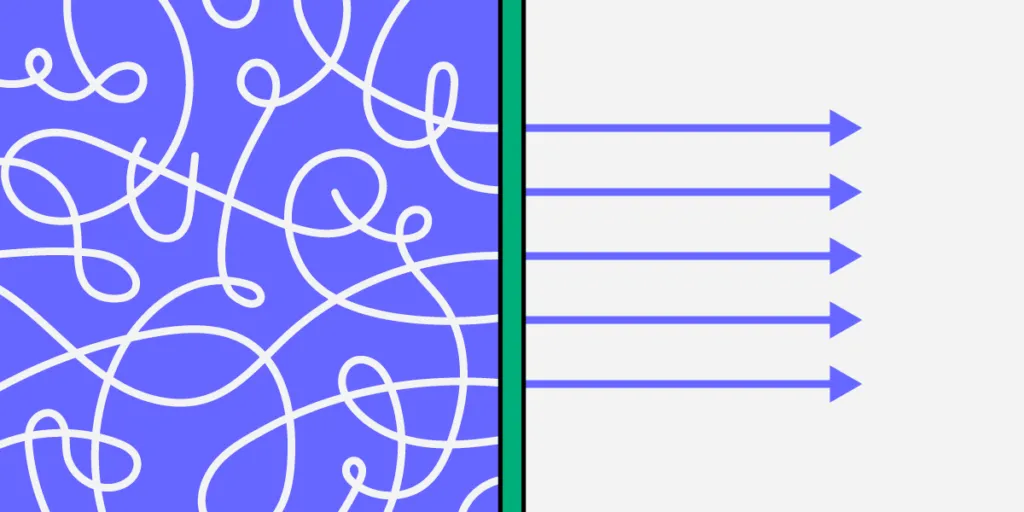
With the fierce competition on the market, hiring top design talent is no easy feat. However, bringing a group of experienced, skilled people into one place is only part of success. Among others, to build a thriving product design team you must also invest in design operations (also known as DesignOps).
In this article, we’ll explain what DesignOps is and how you can use it to improve the digital design system in your organization. We’ll discuss areas such as cross-team collaboration, goal setting, and information exchange systems, along with using the right DesignOps software.
Ready? Let’s begin.
What is DesignOps?
DesignOps (short for Design Operations) refers to the optimization of processes, people, and technologies to improve the product’s design and business value. Among others, it circles around:
- building a team of people with the right skillset and common purpose,
- reducing operational inefficiencies, such as miscommunication or silos,
- and – perhaps most importantly – building efficient design workflows.
DesignOps is a relatively new term, which is why you might be wondering – how did it come to life?
In the past, designers used to wear many hats. They did the UX research, wrote UX stories, wireframing, and even the frontend coding. While this approach might still work well for small teams, it is unproductive at scale. Here’s where DesignOps comes in, helping orchestrate teamwork and building clear structure and roles.
That being said, DesignOps isn’t an isolated, ‘design-team-only’ exercise. It requires lots of information sharing with other stakeholders (especially, software developers). By following a set of practices, your designers can enhance the quality of these interactions and focus on effective goal completion.
Why is design operations gaining more ground?
For starters, both business and customer requirements are becoming more complex (which also means that clients are also becoming more unforgiving). According to a report by PwC, one in three customers will leave a business after just one bad customer experience. Unsurprisingly, the challenge to keep up with client expectations also accelerates product development life cycles. And, as teams try to keep up with a growing workload, there’s the risk of miscommunication among designers and between designers and developers.
Teams might work in isolation on the basis of inconsistent requirements, which negatively affects the delivery timelines and, ultimately, the UX. DesignOps practices help companies to overcome these blockers and create harmony between design and development teams.
Let’s now take a closer look into the role of DesignOps Management.